
A next adverb is a word that modifies a verb, adjective, or other adverb to indicate that something happens or exists after or immediately following something else. Next adverbs are often used to describe a sequence of events or to compare things.
Some examples of next adverbs include:
- next
- afterwards
- afterward
- later
- subsequently
- then
- thereafter
- following
- ensuing
- succeeding
How to use next adverbs
Next adverbs can be used in a variety of ways to add clarity and detail to your writing. For example, you can use next adverbs to:
- Describe a sequence of events:
First, I washed the dishes. Next, I dried them. Finally, I put them away.
- Compare things:
The next car in line was a red Ferrari.
- Indicate the order in which something should be done:
Please read the instructions carefully and follow them next.
- Describe the result of an action:
The next thing I knew, I was waking up in the hospital.
Examples of next adverbs in sentences
Here are some examples of next adverbs used in sentences:
- The next day, I went to the dentist.
- The next person in line, please.
- What's next for you?
- I'll see you next week.
- Turn left at the next traffic light.
- The next time you see him, tell him to call me.
- I'm going to take a break next.
- After the meeting, we'll go to lunch next.
- The next thing I knew, I was falling down a hole.
- The next thing on the agenda is the presentation.
- The next book in the series is due out next year.
- The next time you're in town, let me know.
Tips for using next adverbs correctly
Here are a few tips for using next adverbs correctly:
- Make sure that the next adverb modifies a verb, adjective, or other adverb.
- Do not use next adverbs at the beginning of a sentence.
- Do not use multiple next adverbs in a row.
- Be careful not to use next adverbs too often. Overusing next adverbs can make your writing sound repetitive.
Conclusion
Next adverbs are a versatile and useful part of the English language. By learning how to use next adverbs correctly, you can improve your writing and make it more clear and concise.
Keyword silo
A keyword silo is a way of organizing your website's content around a central theme or topic. The goal of keyword siloing is to improve your website's ranking in search engine results pages (SERPs) for relevant keywords.
How to create a keyword silo
To create a keyword silo, you first need to identify the main themes or topics of your website. Once you have identified these themes, you can start to group related keywords together.
For example, if your website is about cars, you might have the following keyword silos:
- New cars
- Used cars
- Car reviews
- Car maintenance
- Car parts
Each keyword silo should have its own landing page. This landing page should contain high-quality content that is relevant to the keywords in that silo.
You should also link to the landing pages for your keyword silos from other pages on your website. This will help search engines to understand how your content is organized and to improve your website's ranking for relevant keywords.
Benefits of keyword siloing
There are a number of benefits to keyword siloing, including:
- Improved search engine ranking
- Increased website traffic
- Better user experience
- Easier website navigation
Conclusion
Keyword siloing is a powerful way to improve your website's SEO. By creating keyword silos and organizing your content around relevant themes, you can improve your website's ranking in SERPs and attract more visitors.
HTML format and HTML tags
HTML format
HTML is the standard markup language for creating web pages. HTML
WebAdverb . next (not comparable) In a time, place, rank or sequence closest or following. They live in the next closest house. It's the next best thing to ice cream.. WebSee synonyms for next on Thesaurus.com. adjective. immediately following in time, order, importance, etc.: the next day; the next person in line. Webnext (adjective) next (adverb) next (pronoun) next–door (adjective) next door (adverb) best (adjective) better (adjective) day (noun) life (noun) luck (noun) minute (noun) moment. Webnext adverb definition: immediately after: . Learn more. Clear explanations of natural written and spoken English Webnext tomorrow adverb; next-generation adjective; the next; next-gen; the next big thing; next/second to last; better luck next time; from one day to the next; pale beside/next to.
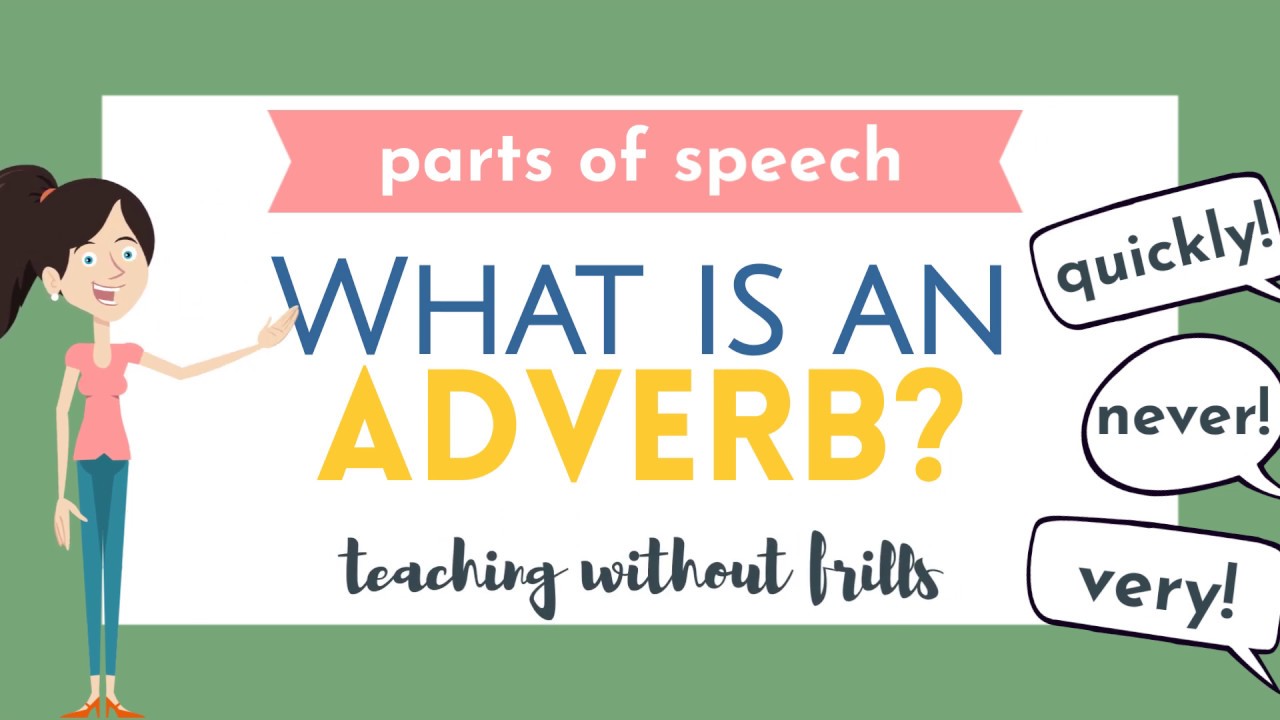

What Is Next Adverb, Parts of Speech for Kids: What is an Adverb, 6.66 MB, 04:51, 1,924,509, Teaching Without Frills, 2019-04-08T23:50:40.000000Z, 2, First Next Then Finally Sequence Adverbs PDF | Twinkl, 315 x 630, jpg, , 3, what-is-next-adverb
What Is Next Adverb. Webnext adjective; next preposition; next pronoun; next door adjective, adverb; next to something / someone; the weekend, week, etc. after next; See all meanings
In this video, you'll learn all about adverbs!
You will be able to answer the question: "What is an adverb?"
You will be able to find adverbs in a sentence!
And you will be able to add adverbs to a sentence to make it more detailed and interesting!
Teachers: Check out my TPT store for related resources!
teacherspayteachers.com/Store/Teaching-Without-Frills
What Is Next Adverb, Webnext adverb definition: immediately after: . Learn more. Clear explanations of natural written and spoken English Webnext tomorrow adverb; next-generation adjective; the next; next-gen; the next big thing; next/second to last; better luck next time; from one day to the next; pale beside/next to.
First Next Then Finally Sequence Adverbs PDF | Twinkl - Source: twinkl.co.uk

Adverbs. An adverb is a part of speech that… | by PMcFB | Medium - Source: medium.com

Comprehensive notes on Adverbs – Center for Child Development, Research and Coaching (CCDRC) - Source: jemisihameducator.wordpress.com
adverbWhat Is an Adverb? Definition and Examples | Grammarly
An adverb is a word that modifies (describes) a verb ("he sings loudly" ), an adjective (" very tall"), another adverb ("ended too quickly"), or even a whole sentence (" Fortunately, I had brought an umbrella."). Adverbs often end in -ly, but some (such as fast) look exactly the same as their adjective counterparts. Can next be an adverb.
Can next be an adverb
Can next be an adverb What type of adverb is next.
What type of adverb is next
What type of adverb is next What kind of adverb is next.
What kind of adverb is next
What kind of adverb is next What is next adverb.
What is next adverb
What is next adverb What kind of adverb is next.
ies.com › next_2next adverb - Definition, pictures, pronunciation and usage ...
Definition of next adverb in Oxford Advanced American Dictionary. Meaning, pronunciation, picture, example sentences, grammar, usage notes, synonyms and more. .
essons › adverbsAdverbs: Definition and Examples - Grammar Monster
Free Grammar Lessons and Exercises. Adverbs. What Are Adverbs? Adverbs are words that tell us how, when, where, how often, or how much. An adverb can modify a verb (e.g., runs quickly ), an adjective (e.g., extremely small), or another adverb (e.g., very closely ). Examples of Adverbs. Here are some more easy examples of adverbs: She swims quickly. .
adverbsWhat Is an Adverb? Adverb Examples & Definition - GRAMMARIST
| Grammar. An adverb is a word that provides information about other words in a sentence. It works to clarify and add details about how, what, where, or when something occurs. Adverbs are key in English because they make it easier for people to understand what you're saying. Adverbs are different from adjectives. .
.
.
.
speech › adverbsWhat Is an Adverb? Definition, Types & Examples - Scribbr
Published on October 20, 2022 by Eoghan Ryan . Revised on February 7, 2023. An adverb is a word that can modify or describe a verb, adjective, another adverb, or entire sentence. Adverbs can be used to show manner (how something happens), degree (to what extent), place (where), and time (when). .
.
ntent › grammar-rulesEnglish Grammar Rules - Adverb - Ginger Software
.
british-grammar › nextNext - Grammar - Cambridge Dictionary
Next is an adjective, an adverb or a pronoun. Next means the first thing or person immediately after the present thing or person: The next person she met was an old lady who had lived in the village all her life. (adjective) There was a loud bang, and I can't remember what happened next. (adverb) Each week is just like the next: work, work , .


0 Comments