Where Is Cisterna Magna Located in video
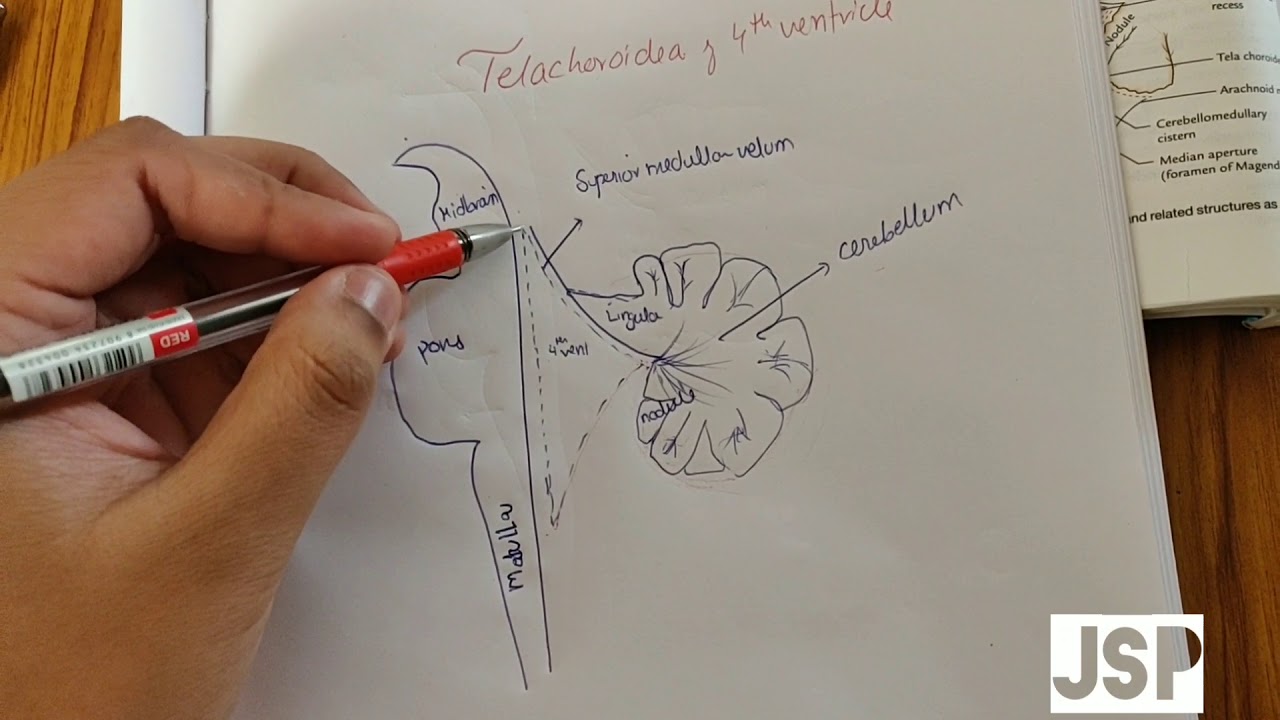
where the cisterna magna is located
Where Is Cisterna Magna Located
The cisterna magna is a large cerebrospinal fluid (CSF) filled space located in the posterior fossa of the skull. It is the largest of the subarachnoid cisterns, which are spaces between the arachnoid mater and the pia mater, the two layers of tissue that surround the brain and spinal cord.
The cisterna magna is located between the cerebellum and the medulla oblongata, which is the lowest part of the brainstem. It is also continuous with the cerebellomedullary cistern, which surrounds the medulla oblongata.
The cisterna magna plays an important role in the circulation of CSF. CSF is produced by the choroid plexuses, which are finger-like projections of tissue that project into the ventricles of the brain. CSF flows from the ventricles into the subarachnoid space, where it bathes the brain and spinal cord. The CSF then drains back into the blood through the arachnoid granulations, which are small projections of tissue that protrude through the dura mater, the outermost layer of tissue that surrounds the brain and spinal cord.
The cisterna magna is a common site for lumbar punctures, which are procedures used to collect CSF for diagnostic testing. A needle is inserted into the lumbar spine, just below the level of the cisterna magna, to access the CSF.
In some people, the cisterna magna can be enlarged. This is called a mega cisterna magna. Mega cisterna magna is usually a benign condition, but it can sometimes be associated with other neurological disorders, such as Dandy-Walker syndrome.
Here are some additional facts about the cisterna magna
* The cisterna magna is about 4 centimeters wide and 10 centimeters long.
* CSF flows through the cisterna magna at a rate of about 20 milliliters per minute.
* The cisterna magna contains about 150 milliliters of CSF.
* The cisterna magna is named for its large size. In Latin, magna means great.
where the cisterna magna is located. If you have any further questions,
where the cisterna magna is located
The cisterna magna is located in the posterior fossa of the skull, which is the back part of the skull. It is situated between the cerebellum, which is the small brain, and the medulla oblongata, which is the lowest part of the brainstem. The cisterna magna is also continuous with the cerebellomedullary cistern, which surrounds the medulla oblongata.
The cisterna magna is a large space, about 4 centimeters wide and 10 centimeters long. It is filled with cerebrospinal fluid (CSF), which is a clear liquid that surrounds and protects the brain and spinal cord. The CSF is produced by the choroid plexuses, which are finger-like projections of tissue that project into the ventricles of the brain. The CSF flows from the ventricles into the subarachnoid space, which is the space between the arachnoid mater and the pia mater, the two layers of tissue that surround the brain and spinal cord. The CSF then drains back into the blood through the arachnoid granulations, which are small projections of tissue that protrude through the dura mater, the outermost layer of tissue that surrounds the brain and spinal cord.
The cisterna magna plays an important role in the circulation of CSF. It is a major reservoir for CSF, and it helps to distribute CSF throughout the brain and spinal cord. The cisterna magna also helps to protect the brain and spinal cord from injury. If the cisterna magna is enlarged, it can increase the space around the brain and spinal cord, which can help to protect them from injury.
The cisterna magna is a common site for lumbar punctures, which are procedures used to collect CSF for diagnostic testing. A needle is inserted into the lumbar spine, just below the level of the cisterna magna, to access the CSF. Lumbar punctures are used to diagnose a variety of neurological disorders, including meningitis, encephalitis, and brain tumors.
In some people, the cisterna magna can be enlarged. This is called a mega cisterna magna. Mega cisterna magna is usually a benign condition, but it can sometimes be associated with other neurological disorders, such as Dandy-Walker syndrome.
I hope this more detailed explanation of where the cisterna magna is located has been helpful. If you have any further questions,


0 Comments