
Environmental ADHD is a term used to describe the symptoms of ADHD that are thought to be caused by environmental factors. While ADHD is generally considered to be a genetic disorder, there is growing evidence that environmental factors can play a significant role in its development and severity.
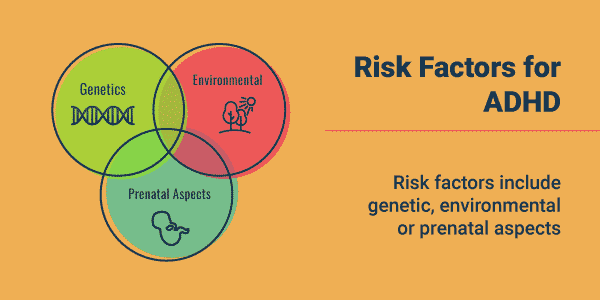
Some of the environmental factors that have been linked to ADHD include:
- Prenatal exposure to tobacco, alcohol, or other drugs
- Premature birth
- Low birth weight
- Exposure to lead or other toxins
- Head injury
- Traumatic childhood experiences
- Poor nutrition
- Lack of sleep
It is important to note that environmental factors do not cause ADHD on their own. However, they can interact with a person's genetic makeup to increase their risk of developing the disorder.
Symptoms of Environmental ADHD
The symptoms of environmental ADHD are similar to the symptoms of ADHD caused by genetic factors. However, there are some key differences. For example, people with environmental ADHD may be more likely to have difficulty with attention and focus than with hyperactivity and impulsivity. They may also be more likely to experience their symptoms in certain situations, such as when they are stressed or tired.
Some of the common symptoms of environmental ADHD include:
- Difficulty paying attention to tasks or details
- Making careless mistakes in schoolwork, work, or other activities
- Difficulty following through on instructions or completing tasks
- Difficulty organizing tasks and activities
- Avoiding, disliking, or being reluctant to engage in tasks that require sustained mental effort
- Losing things necessary for tasks or activities
- Being easily distracted by extraneous stimuli
- Being forgetful in daily activities
Diagnosis of Environmental ADHD
There is no one specific test to diagnose environmental ADHD. However, a doctor or mental health professional can make a diagnosis based on a person's symptoms, medical history, and family history.
To diagnose environmental ADHD, a doctor will typically ask the person about their symptoms, including when they started and how severe they are. They will also ask about the person's medical history and family history of ADHD.
In addition, the doctor may perform a physical exam and order some tests, such as blood tests or urine tests, to rule out other medical conditions that could be causing the person's symptoms.
Treatment for Environmental ADHD
The treatment for environmental ADHD will vary depending on the individual's needs and symptoms. However, some common treatment options include:
- Lifestyle changes: Making healthy lifestyle changes, such as getting enough sleep, eating a balanced diet, and exercising regularly, can help to improve ADHD symptoms.
- Therapy: Therapy can help people with environmental ADHD learn to manage their symptoms and develop coping skills.
- Medication: Medication can be used to treat ADHD symptoms, but it is important to note that medication does not cure the disorder.
If you think you or your child may have environmental ADHD, it is important to talk to a doctor or mental health professional. They can help you to get a diagnosis and develop a treatment plan that is right for you or your child.
How to Prevent Environmental ADHD
There is no surefire way to prevent environmental ADHD. However, there are some things that you can do to reduce your child's risk of developing the disorder, such as:
- Avoiding smoking, drinking alcohol, or using drugs during pregnancy
- Getting regular prenatal care
- Eating a healthy diet during pregnancy
- Avoiding exposure to lead and other toxins
- Providing your child with a safe and loving home environment
- Making sure that your child gets enough sleep
- Feeding your child a balanced diet
- Encouraging your child to exercise regularly
If you have any concerns about your child's development, talk to your doctor. They can help you to monitor your child's progress and provide guidance on how to support your child's healthy development.
Additional Resources
- Attention Deficit Hyperactivity Disorder (ADHD): https://www.webmd.com/add-adhd/attention-deficit-hyperactivity-disorder-adhd)
- National Institute of Mental Health (NIMH) ADHD Resources: https://www.nimh.nih.gov/health/topics/attention-deficit-hyperactivity-disorder-adhd)
- Children and Adults with Attention-Deficit/Hyperactivity Disorder (CHADD): https://chadd.org/)
WebWell, it turns out what they eat could play a role in ADHD symptoms, too. Research points to a connection between ADHD environmental factors and what's on their plate. Yep,. WebThe current study aimed to assess whether environmental influences during early childhood have a lasting effect on the trajectory of ADHD symptoms, and the duration of these. WebAttention-deficit hyperactivity disorder (ADHD) is the most common cognitive and behavioural disorder diagnosed among school children. It is characterized by deficient. WebEnvironmental Causes of ADHD: Is It Nature or Nurture? ADHD in the News 2021-09-30 The truth is, says Jessica Myszak, a licensed psychologist with The Help.
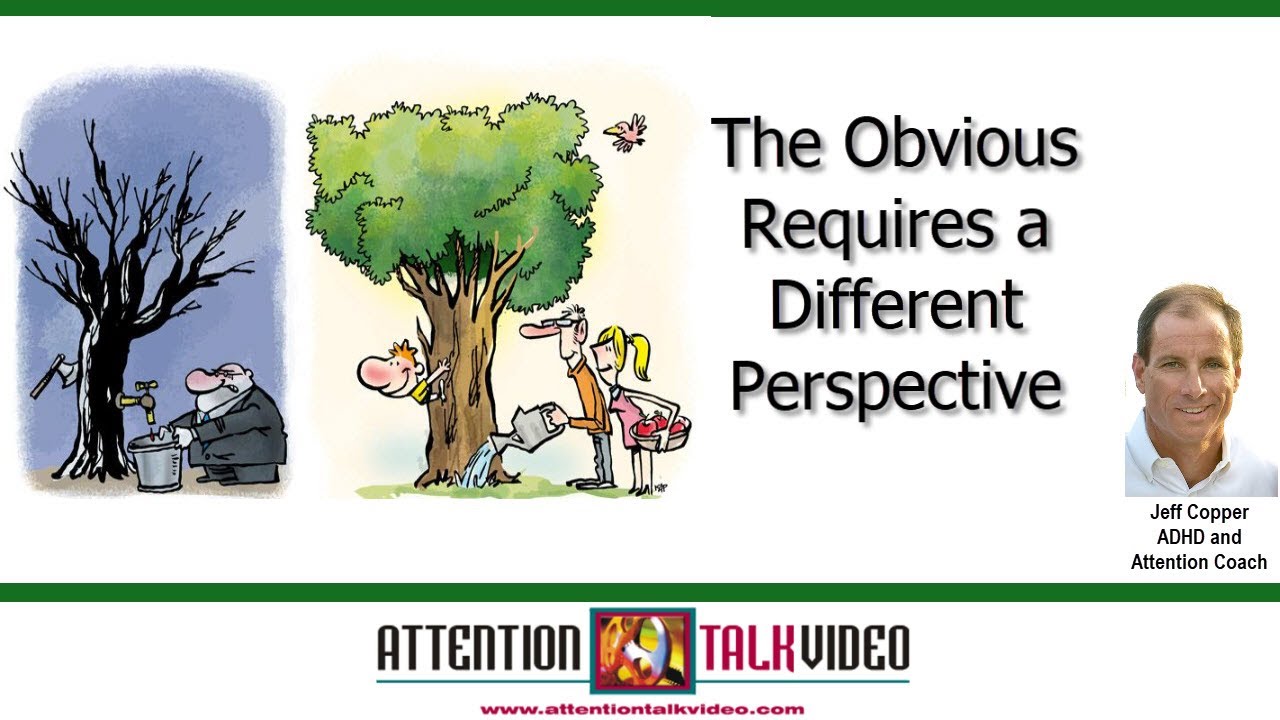
ADHD: Environment Versus Systems
Source: Youtube.com
30 Essential Ideas you should know about ADHD, 4C Genes and Environmental Interaction

Source: Youtube.com
What Is Environmental Adhd, ADHD: Environment Versus Systems, 4.76 MB, 03:28, 1,473, AttentionTalkVideo, 2020-09-14T05:00:03.000000Z, 2, Environmental factors reported to be associated with ADHD | Download Table, 482 x 741, jpg, , 3, what-is-environmental-adhd
What Is Environmental Adhd. WebAbstract. Attention-deficit/hyperactivity disorder (ADHD) is a prevalent neurobehavioral disorder affecting 5% to 10% of children. Although considered to be a highly familial disorder, ADHD heritability estimates of 60% to 80% highlight the considerable role that.
digcoaching.com. Jeff Copper is an ADHD coach and host of Attention Talk Video which is part of the Attention Talk Network, attentiontalknetwork.com.
People with ADHD are always looking for tips, tricks, and strategies to help them move forward. Sometimes those are helpful, but sometimes they're not. Sometimes we need to pay attention the elephant in the room. In this video ADHD coach Jeff Copper ( digcoaching.com) shares tangible examples to illustrate how sometimes it's more about the environment or other things than it is about the strategy. If you've been implementing things but they're not working, this is a video you won't want to miss.
Attention Talk Video ( attentiontalkvideo.com) is a part of the Attention Talk Network, which includes Attention Talk Radio... Your ADHD Information Station! ( attentiontalkradio.com), Attention Talk News... Your ADHD News Source! ( attentiontalknews.com), and Attention Talk Video... Your ADHD Talk Show Station! Follow us on Facebook at facebook.com/attentiontalkradio.
Attention Talk Video is the leading video resource providing educational information and support for those with or impacted by Attention Deficit Disorder (ADD) or Attention Deficit Hyperactivity Disorder (ADHD). Educational information is intended to help our targeted audience made up of adults and children to manage their symptoms to enable them to function at work, in school, at home, or in relationships. If you are frustrated, overwhelmed, or stuck or if you procrastinate, are not organized, or struggle with time management, consider subscribing to Attention Talk Video at attentiontalkvideo.com.
Thank you for watching. New videos are released weekly, so subscribe and tell your friends about us.
What Is Environmental Adhd, WebAttention-deficit hyperactivity disorder (ADHD) is the most common cognitive and behavioural disorder diagnosed among school children. It is characterized by deficient. WebEnvironmental Causes of ADHD: Is It Nature or Nurture? ADHD in the News 2021-09-30 The truth is, says Jessica Myszak, a licensed psychologist with The Help.
Environmental factors reported to be associated with ADHD | Download Table - Source: researchgate.net
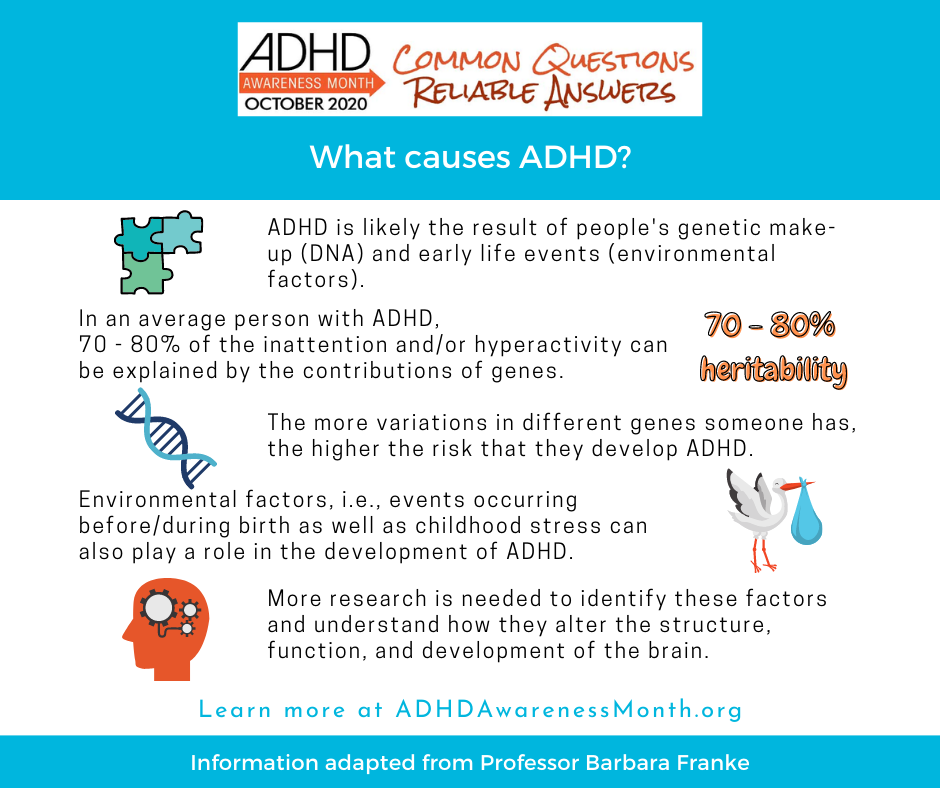
Q: What causes ADHD? A: ADHD is... - ADHD Awareness Month | Facebook - Source: facebook.com
ADHD Facts and Statistics: Prevalence, Age of Onset, & Treatment - Source: therecoveryvillage.com
articles › causes-of-adhdWhat are the causes of ADHD? Biology vs. environment
ADHD can cause inattention, hyperactivity, and impulsivity. Many studies suggest a strong link between genetic factors and ADHD, but this is not the only thing that appears to contribute to it. .
articles › environmentalAre there environmental causes of ADHD? - Medical News Today
Some environmental factors contribute to attention deficit hyperactivity disorder (ADHD), such as childhood stroke and brain injuries. However, genetics is the likely cause in most people. .
.
.
.
› 10Understanding Environmental Exposures and ADHD: a Pathway ...
This commentary addresses a series of articles in Prevention Science about environmental causes of attention deficit hyperactivity disorder (ADHD). It provides an overview of their key findings and places them in a broader context to facilitate their interpretation. Each of the articles included in the special issue is a meta-analysis assessing the association of ADHD with several , .
.
› adhdCauses of and Risk Factors for ADHD - Healthline
ADHD is a neurodevelopmental disorder that may be caused by genetics, nutrition, and environmental factors. Learn more. .
.
.
.
oring-the-links-betweenExploring the Links Between ADHD and Environmental Factors
ADHD is a complex condition influenced by the intricate interplay between genetic factors and environmental influences. While genetics contribute to the predisposition for ADHD, external influences can modulate the expression and severity of the disorder. .
› articlesExposure to environmental pollutants and attention-deficit ...
ADHD is predominantly present in males with a male-to-female ratio of 4:1 in clinical studies and 2.4:1 in population studies (Leopold et al. 2019). ADHD prevalence is now reported between 2 and 7% of children and adolescents worldwide, with an average prevalence of approximately 5% (Posner et al. 2020; Sayal et al. 2018). .
› articlesUpdate on Environmental Risk Factors for Attention-Deficit ...
Proposed ADHD environmental risk factors include prenatal substance exposures, heavy metal and chemical exposures, nutritional factors, and lifestyle/psychosocial factors. This paper reviews the literature published in 2010 investigating the association between environmental risk factors and ADHD or related symptomatology. .
.


0 Comments