
A verbal adverb is a verb form that functions as an adverb. It is also known as a gerund. Verbal adverbs can modify verbs, adjectives, or other adverbs. They can be used to express how, when, where, or why something happens.
Examples of verbal adverbs:
- Walking home from school, I saw a cat. (This verbal adverb modifies the verb "saw" and expresses how I was going home.)
- Running late, I didn't have time to eat breakfast. (This verbal adverb modifies the adjective "late" and expresses why I didn't have time to eat breakfast.)
- Smiling, she greeted me at the door. (This verbal adverb modifies the verb "greeted" and expresses how she greeted me.)
- Having finished my homework, I watched TV. (This verbal adverb modifies the verb "watched" and expresses when I watched TV.)
How to form verbal adverbs
Verbal adverbs are formed by adding the suffix -ing to the present participle of a verb.
Examples:
Verb: walk
Present participle: walking
Verbal adverb: walking
Verb: talk
Present participle: talking
Verbal adverb: talking
Verb: smile
Present participle: smiling
Verbal adverb: smiling
Verb: finish
Present participle: finishing
Verbal adverb: finishing
How to use verbal adverbs in sentences
Verbal adverbs can be used in sentences in a variety of ways. They can be placed at the beginning, middle, or end of a sentence.
Examples:
- Beginning:Walking home from school, I saw a cat.
- Middle: I didn't have time to eat breakfast, running late.
- End: She greeted me at the door, smiling.
Verbal adverbs can also be used in phrases and clauses.
Examples:
- Phrase:Having finished my homework, I watched TV.
- Clause:While walking to the store, I saw a friend.
Types of verbal adverbs
There are two main types of verbal adverbs: present and past.
Present verbal adverbs express an action that is happening at the same time as the main verb in the sentence.
Examples:
- Walking home from school, I saw a cat.
- Smiling, she greeted me at the door.
- Talking on the phone, he forgot to make dinner.
Past verbal adverbs express an action that happened before the main verb in the sentence.
Examples:
- Having finished my homework, I watched TV.
- After eating dinner, we went for a walk.
- Having arrived at the party, I realized I had forgotten my gift.
Uses of verbal adverbs
Verbal adverbs can be used to express a variety of things, including:
- How something happens:Walking slowly, he approached the house.
- When something happens:After eating dinner, we went for a walk.
- Where something happens:While walking to the store, I saw a friend.
- Why something happens:Having finished my homework, I watched TV.
- Reason:Being tired, I went to bed early.
- Contrast:Even though it was raining, we went for a walk.
Examples of verbal adverbs in sentences
- Walking down the street, I saw a friend.
- Running late, I didn't have time to eat breakfast.
- Smiling, she greeted me at the door.
- Having finished my homework, I watched TV.
- After eating dinner, we went for a walk.
- Having arrived at the party, I realized I had forgotten my gift.
- Even though it was raining, we went for a walk.
- Being tired, I went to bed early.
- While waiting for the bus, I read a book.
- After studying for the test, I felt confident.
- Before going to bed, I brushed my teeth.
- Having won the race, I was very happy.
Tips for using verbal adverbs
- Be careful not to overuse verbal adverbs. Too many verbal adverbs can make your writing sound awkward and choppy.
- Make sure that the verbal adverb you use is appropriate for the context of your sentence. For example, if you are writing a formal essay, you may want to avoid using
WebAdverbs are often thought of as words that modify verbs, and this is indeed the role they usually have in a sentence. Here are some examples: "The cat crept quietly down the. WebA verbal is a verb operating as another part of speech, such as a noun, an adjective, or an adverb. A verbal also can function in different sentence roles such as subject, direct. Weba word that describes or gives more information about a verb, adjective, adverb, or phrase: In the phrase "she smiled cheerfully ", the word "cheerfully" is an adverb. In the phrase. WebAn adverb is a word that is used to change, modify or qualify several types of words including an adjective, a verb, a clause, another adverb, or any other type of word or. WebA verbal is a verb form that does not function as a verb. Verbals function as nouns, adjectives, or adverbs. There are three types of verbal: (1) Gerunds. Cooking is an. Weba word belonging to one of the major form classes in any of numerous languages, typically serving as a modifier of a verb, an adjective, another adverb, a preposition, a phrase, a.
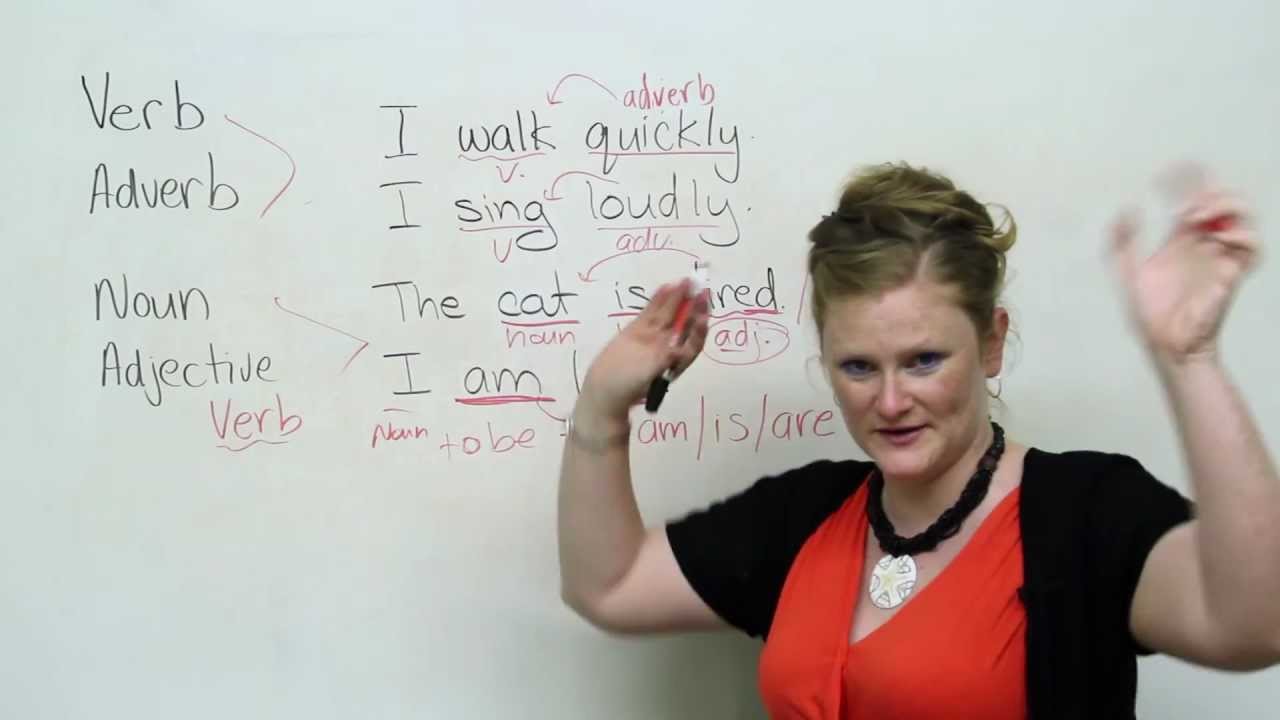
Basic English Grammar - Noun, Verb, Adjective, Adverb
Source: Youtube.com
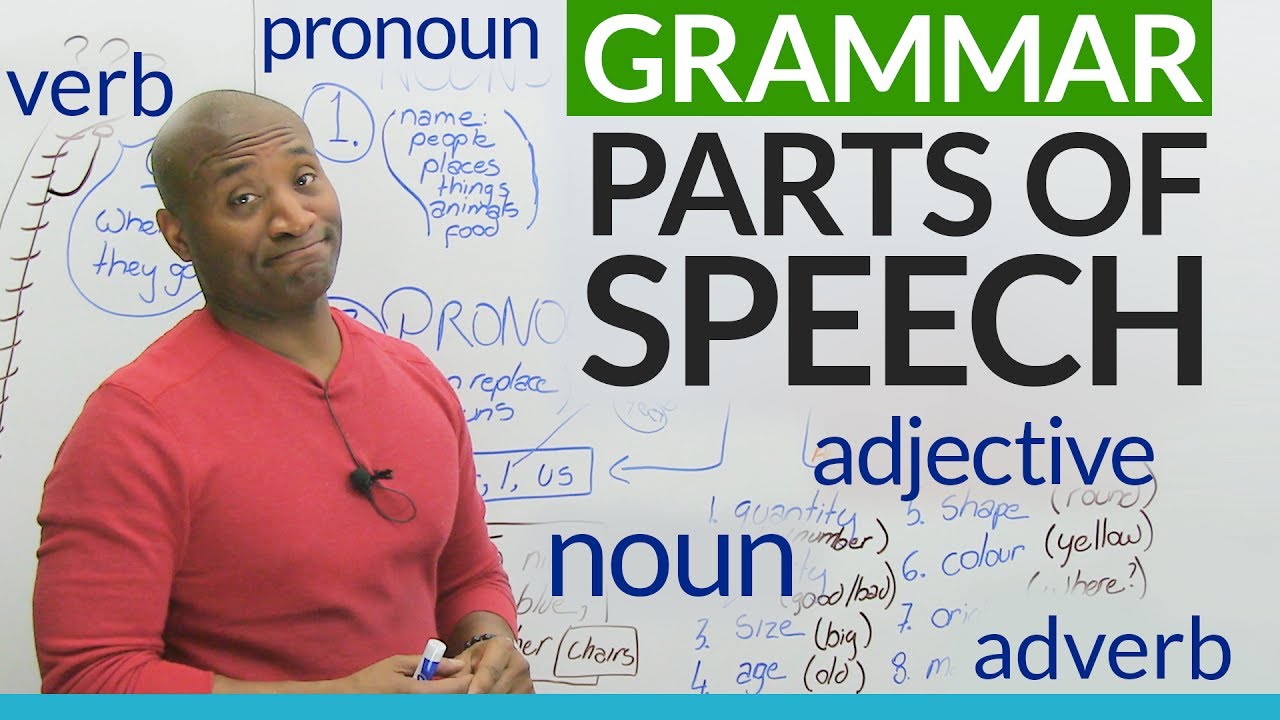
Basic English Grammar: Parts of Speech – noun, verb, adjective, pronoun, adverb...
Source: Youtube.com
What Is A Verbal Adverb, Basic English Grammar - Noun, Verb, Adjective, Adverb, 12.45 MB, 09:04, 5,199,224, English with Ronnie · EnglishLessons4U with engVid, 2012-10-26T20:59:46.000000Z, 2, Verbals: Explanation and Examples, 634 x 700, jpg, , 3, what-is-a-verbal-adverb
What Is A Verbal Adverb. WebVerbal adverb synonyms, Verbal adverb pronunciation, Verbal adverb translation, English dictionary definition of Verbal adverb. relating to words: verbal ability; using words alone.
engvid.com/ What is a noun? What is a verb? What is an adjective? AHHHHH!!! Learn how to recognize nouns, verbs, adjectives, and adverbs in this important basic grammar lesson. Then test yourself with the quiz: engvid.com/basics-noun-verb-adjective-adverb/
What Is A Verbal Adverb, WebAn adverb is a word that is used to change, modify or qualify several types of words including an adjective, a verb, a clause, another adverb, or any other type of word or. WebA verbal is a verb form that does not function as a verb. Verbals function as nouns, adjectives, or adverbs. There are three types of verbal: (1) Gerunds. Cooking is an. Weba word belonging to one of the major form classes in any of numerous languages, typically serving as a modifier of a verb, an adjective, another adverb, a preposition, a phrase, a.
Verbals: Explanation and Examples - Source: grammar-monster.com

An American (No Longer) in Petersburg — What is a Verbal Adverb? Imperfective Verbal... - Source: therussianmajor.tumblr.com

An American (No Longer) in Petersburg — What is a Verbal Adverb? Imperfective Verbal... - Source: therussianmajor.tumblr.com
What is a verbal noun.
What is a verbal noun
What is a verbal noun What is a verbal verb.
What is a verbal verb
What is a verbal verb What is a verbal adjective.
What is a verbal adjective
What is a verbal adjective What is a verbal adverb.
What is a verbal adverb
What is a verbal adverb What is a verbal adjective.
essons › adverbsAdverbs: Definition and Examples - Grammar Monster
Adverbs are words that tell us how, when, where, how often, or how much. An adverb can modify a verb (e.g., runs quickly ), an adjective (e.g., extremely small), or another adverb (e.g., very closely ). Examples of Adverbs. Here are some more examples of adverbs: She swims quickly. (Here, the adverb "quickly" modifies the verb "swims.") .
ticles › adverb-examplesWhat Is an Adverb? Explanation, Usage, and Examples
An adverb tells you more about a verb, an adjective, or another adverb. While many adverbs end in -ly, they're not all so easy to spot. There are five main kinds of adverbs, each answering a different question. They include: adverbs of manner (how something happens) - angrily, hungrily, beautifully .
ntro-to-adverbsWhat is an adverb? | Intro to adverbs (video) | Khan Academy
About. Transcript. Adverbs are a kind of word, similar to adjectives, that you use to modify other words. Adverbs change verbs or adjectives, like "very" or "carefully". Many adverbs can be formed by adding "-ly" to an adjective: add "-ly" to change "careful" to "carefully". Questions. Tips & Thanks. Want to join the conversation? Log in. Sort by: .
english › adverbADVERB | definition in the Cambridge English Dictionary
noun [ C ] us / ˈæd.vɝːb / uk / ˈæd.vɜːb / Add to word list. A2. a word that describes or gives more information about a verb, adjective, adverb, or phrase: In the phrase "she smiled cheerfully ," the word "cheerfully" is an adverb. In the phrase "the house was spotlessly clean ," the word "spotlessly" is an adverb. Fewer examples. .
.
.
.
speech › adverbsWhat Is an Adverb? Definition, Types & Examples - Scribbr
Revised on February 7, 2023. An adverb is a word that can modify or describe a verb, adjective, another adverb, or entire sentence. Adverbs can be used to show manner (how something happens), degree (to what extent), place (where), and time (when). .
rammar › what-is-an-adverbWhat Is An Adverb? | Merriam-Webster
An adverb is a part of speech that usually modifies a verb. This article describes the function of the adverb in a sentence and how to modify it. .
adverbWhat Is an Adverb? Definition and Examples | Grammarly
An adverb is a word that modifies (describes) a verb, an adjective, another adverb, or even a whole sentence. Learn all about adverbs in this guide. .


0 Comments