Why Affirmative Action In Universities Had To Go in video
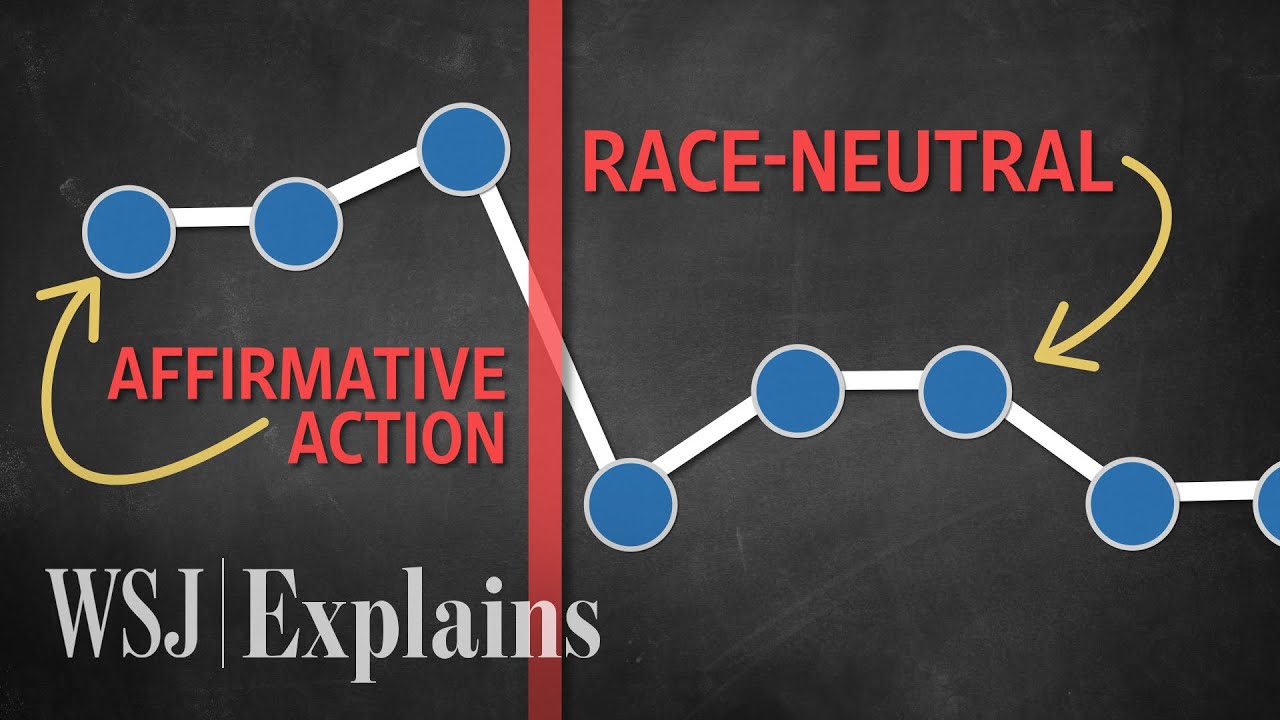
Why Affirmative Action In Universities Had To Go
Affirmative action has been a hotly debated topic for decades, with supporters arguing that it is necessary to address past discrimination and create a more diverse student body, and opponents arguing that it is unfair to give preferential treatment to certain groups of people based on their race or ethnicity.
In June 2023, the Supreme Court ruled against affirmative action in college admissions, effectively ending the practice in public universities across the country. The decision was a major victory for opponents of affirmative action, who argued that it was a form of reverse discrimination that unfairly disadvantaged Asian American and white students.
There are a number of reasons why affirmative action in universities had to go. First, it is simply not fair to give preferential treatment to certain groups of people based on their race or ethnicity. All students should be judged on their individual merits, regardless of their background.
Second, affirmative action does not actually help the students it is intended to help. Studies have shown that affirmative action students are more likely to drop out of college and less likely to graduate with honors. This is likely because they feel like they do not belong at the university and are not academically prepared.
Third, affirmative action creates a false sense of accomplishment for the students it admits. These students may feel like they were admitted to the university because of their race or ethnicity, rather than their own hard work and accomplishments. This can lead to a lack of motivation and a sense of entitlement.
Finally, affirmative action undermines the goal of creating a truly diverse student body. When universities admit students based on their race or ethnicity, they are essentially creating separate but equal groups of students. This does not lead to true diversity, which is only possible when students from all backgrounds are able to learn and interact with each other.
The Supreme Court’s decision to end affirmative action in college admissions was a long overdue step towards a more fair and just society. It is time to judge all students on their individual merits, regardless of their race or ethnicity.
In addition to the reasons listed above, there are a few other arguments against affirmative action in universities.
* It can lead to resentment among students who feel like they were passed over for admission because of their race or ethnicity.
* It can create a sense of entitlement among affirmative action students, who may believe that they deserve to be at the university simply because of their race or ethnicity.
* It can discourage students from underrepresented groups from working hard in school, because they believe that they will be admitted to college regardless of their grades or test scores.
Overall, the arguments against affirmative action in universities are strong and persuasive. The Supreme Court’s decision to end this practice was a positive step towards a more fair and just society.
Sure. Here are a few more paragraphs about why affirmative action in universities had to go
* Affirmative action is a form of discrimination. It is the practice of giving preferential treatment to certain groups of people based on their race or ethnicity. This is unfair and it violates the principle of equal protection under the law.
* Affirmative action does not actually help the students it is intended to help. Studies have shown that affirmative action students are more likely to drop out of college and less likely to graduate with honors. This is likely because they feel like they do not belong at the university and are not academically prepared.
* Affirmative action creates a false sense of accomplishment for the students it admits. These students may feel like they were admitted to the university because of their race or ethnicity, rather than their own hard work and accomplishments. This can lead to a lack of motivation and a sense of entitlement.
* Affirmative action undermines the goal of creating a truly diverse student body. When universities admit students based on their race or ethnicity, they are essentially creating separate but equal groups of students. This does not lead to true diversity, which is only possible when students from all backgrounds are able to learn and interact with each other.
In addition to these arguments, there are also a number of practical problems with affirmative action in universities. For example, it can be difficult to determine which students should be admitted based on their race or ethnicity. It can also be difficult to ensure that affirmative action does not lead to reverse discrimination, where students from majority groups are disadvantaged.
For all of these reasons, affirmative action in universities had to go. It is a flawed and unfair practice that does not achieve its intended goals. It is time to judge all students on their individual merits, regardless of their race or ethnicity.


0 Comments