Why Is My Cistern Leaking in video
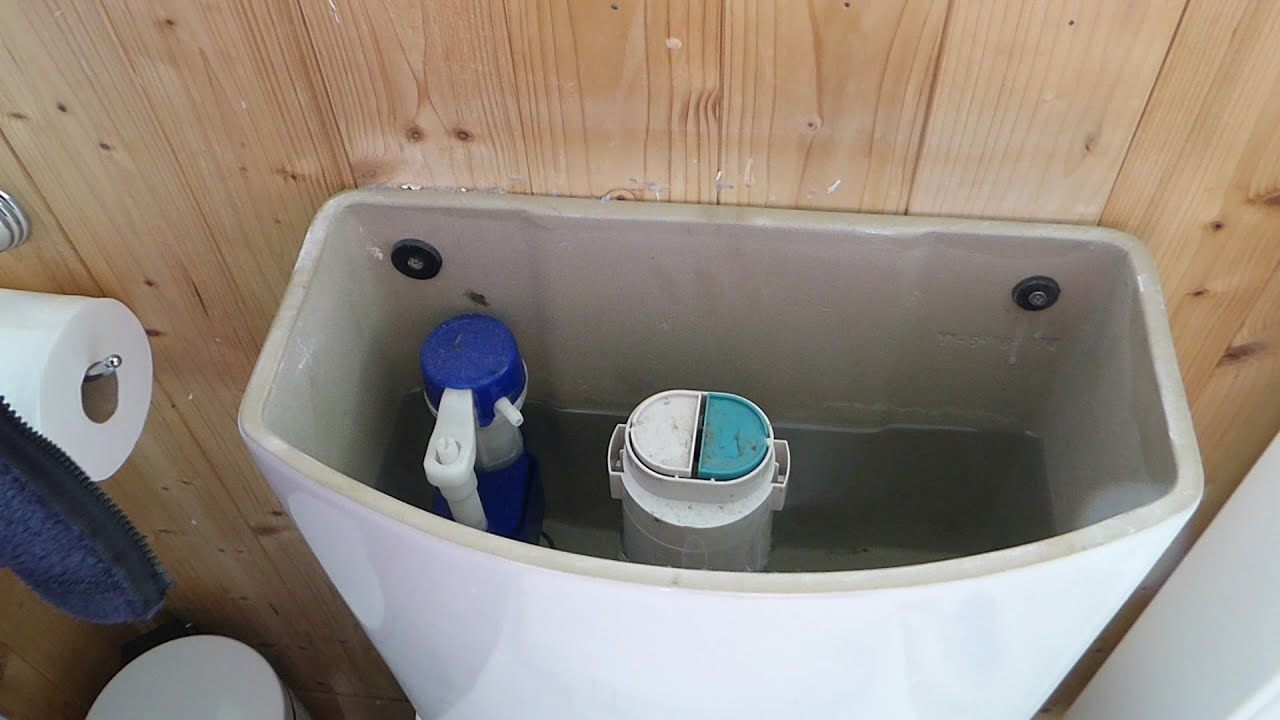
Why Is My Cistern Leaking
Why Is My Cistern Leaking
A leaking cistern can be a real nuisance, and it can also waste a lot of water. If you’re wondering why your cistern is leaking, here are some of the most common causes
* Flapper The flapper is a rubber disk that sits in the opening of the cistern and controls the flow of water into the toilet bowl. If the flapper is damaged or worn out, it may not seal properly and allow water to leak out.
* Float valve The float valve is a mechanism that controls the level of water in the cistern. If the float valve is not adjusted properly, it may allow water to overflow into the toilet bowl, or it may not shut off the water supply to the cistern when the tank is full.
* Inlet valve The inlet valve is the valve that controls the flow of water from the main water supply into the cistern. If the inlet valve is leaking, it will allow water to seep into the cistern even when the toilet is not in use.
* Gaskets The gaskets are the rubber seals that connect the cistern to the toilet bowl and the cistern to the water supply. If the gaskets are damaged or worn out, they can allow water to leak out.
* Tank bolts The tank bolts are the bolts that hold the cistern to the toilet bowl. If the tank bolts are loose or corroded, they can allow water to leak out around the cistern.
If you’re not sure what is causing your cistern to leak, it’s best to call a plumber to diagnose the problem and make the necessary repairs. In the meantime, you can try some of the following tips to stop the leak
* Turn off the water supply to the cistern. This will prevent any more water from leaking out.
* Locate the source of the leak. Once you know where the leak is coming from, you can start to fix it.
* Replace any damaged or worn out parts. This may include the flapper, float valve, inlet valve, gaskets, or tank bolts.
* Tighten any loose connections. This includes the tank bolts and any other connections between the cistern and the toilet bowl or the water supply.
* Apply caulk around the cistern. This will help to seal any leaks that may be coming from around the cistern.
By following these tips, you can usually stop a leaking cistern yourself. However, if you’re not comfortable doing the repairs yourself, it’s best to call a plumber.
Here are some additional tips to help prevent your cistern from leaking in the future
* Regularly inspect the cistern for damage. This will help you to identify any potential leaks early on.
* Clean the cistern regularly. This will help to prevent sediment from building up and causing problems with the flapper, float valve, and other parts.
* Replace the flapper every 5-10 years. The flapper is a wear item and it will eventually need to be replaced.
* Adjust the float valve regularly. The float valve should be adjusted so that it shuts off the water supply to the cistern when the tank is full.
* Check the inlet valve for leaks regularly. The inlet valve is a common source of leaks, so it’s important to check it regularly.
* Replace the gaskets every 10-15 years. The gaskets are rubber seals that can deteriorate over time.
* Tighten the tank bolts regularly. The tank bolts can loosen over time, which can cause leaks.
By following these tips, you can help to keep your cistern in good working order and prevent leaks.
the causes of a leaking cistern
* Flapper The flapper is a rubber disk that sits in the opening of the cistern and controls the flow of water into the toilet bowl. If the flapper is damaged or worn out, it may not seal properly and allow water to leak out. The flapper can be damaged by a variety of things, including
* Sediment buildup Sediment can build up on the flapper and make it difficult for it to seal properly.
* Rust Rust can cause the flapper to become brittle and break.
* Animal damage Animals, such as rodents or insects, can chew on the flapper and damage it.
* Float valve The float valve is a mechanism that controls the level of water in the cistern. If the float valve is not adjusted properly, it may allow water to overflow into the toilet bowl, or it may not shut off the water supply to the cistern when the tank is full. The float valve can be adjusted by turning the screw on top of it. If the float valve is not adjusting properly, it may be necessary to replace it.
* Inlet valve The inlet valve is the valve that controls the flow of water from the main water supply into the cistern. If the inlet valve is leaking, it will allow water to seep into the cistern even when the toilet is not in use. The inlet valve can be leaking because of
* A faulty washer The washer in the inlet valve can become worn out or damaged and allow water to leak.
* A corroded valve The valve itself can become corroded and allow water to leak.
* Gaskets The gaskets are the rubber seals that connect the cistern to the toilet bowl and the cistern to the water supply. If the gaskets are damaged or worn out, they can allow water to leak out. The gaskets can be damaged by
* Sediment buildup Sediment can build up on the gaskets and make them difficult to seal properly.
* Rust Rust can cause the gaskets to become brittle and break.
* Age The gaskets can simply wear out over time.
* Tank bolts The tank bolts are the bolts that hold the cistern to the toilet bowl. If the tank bolts are loose or corroded, they can allow water to leak out around the cistern. The tank bolts can become loose over time or corrode due to exposure to water.
If you’re experiencing a leaking cistern, it’s important to identify the source of the leak so that you can fix it properly. Once you’ve identified the source of the leak, you can follow the tips in the previous article to stop the leak. If you’re not comfortable doing the repairs yourself, it’s best to call a plumber.


0 Comments